Social Media Marketing for Doctors and Medical Practices
Service at a Glance
- Credibility & Brand Evaluation:
- Social media is a primary channel patients use to evaluate medical practices, making consistency, professionalism, and messaging critical.
- Organic + Paid Strategy:
- We combine organic engagement with targeted paid campaigns to increase visibility and reinforce brand authority across platforms.
- Healthcare-Specific Content:
- All content is developed with healthcare audiences in mind, balancing education, trust, and compliance.
- Designed to Perform:
- Analytics guide ongoing optimization to support traffic growth, patient acquisition, and broader digital marketing goals.
By partnering with Rosemont Media, you can transform social media into a tool that not only supports your practice’s growth but also strengthens your reputation as a trusted healthcare provider.
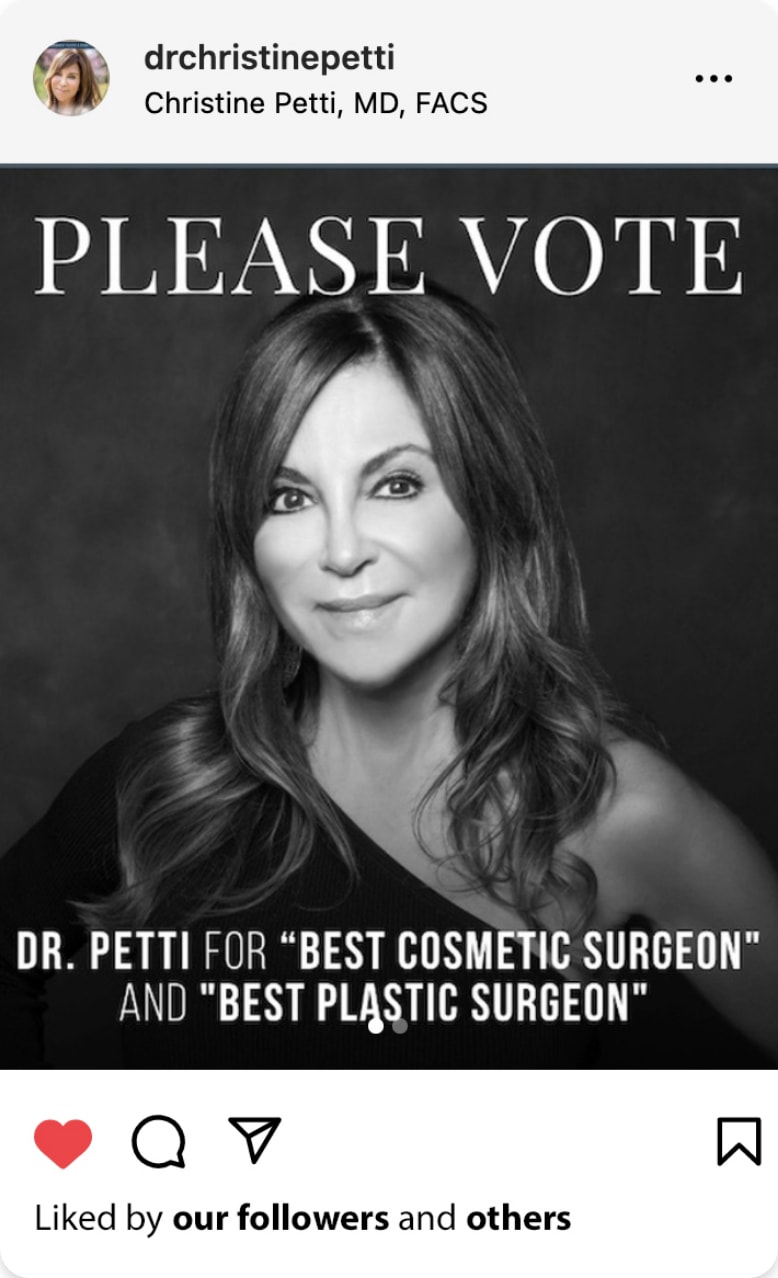
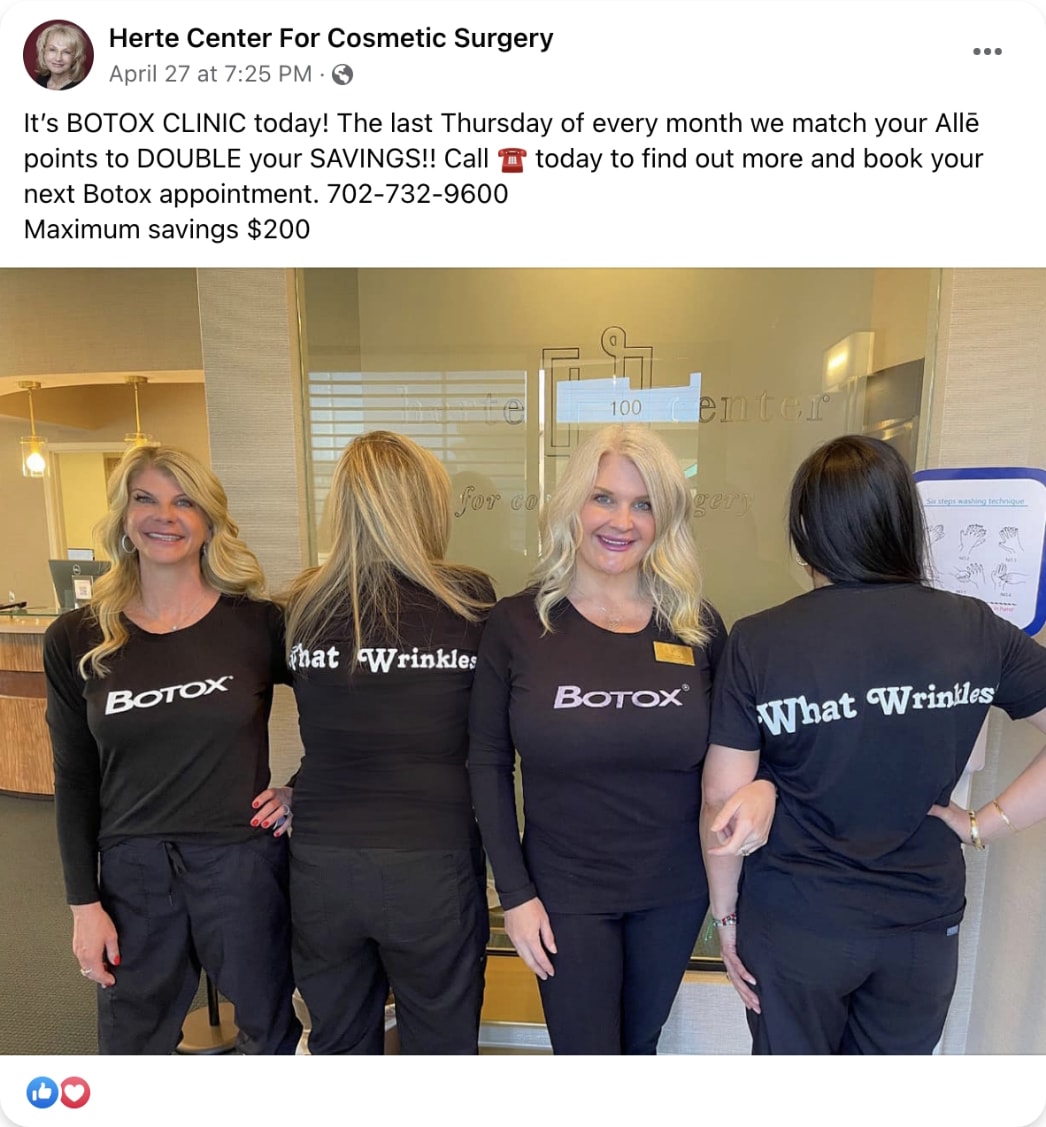
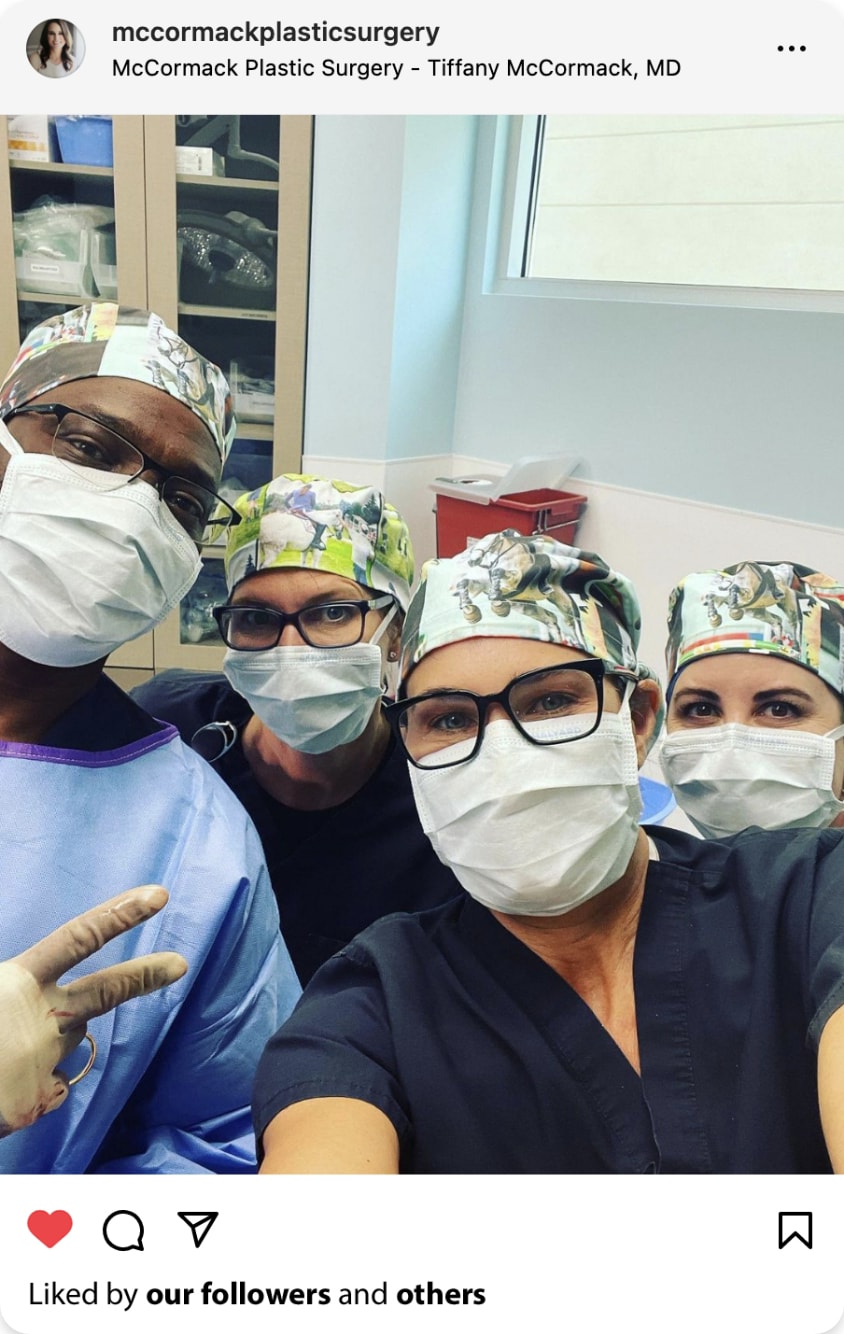
What We Offer
Rosemont Media offers complete social media marketing services for leading healthcare providers. We develop personalized solutions to fit every type of practice, whether you prefer a hands-off approach or wish to be involved in every step.
-

Custom Posts
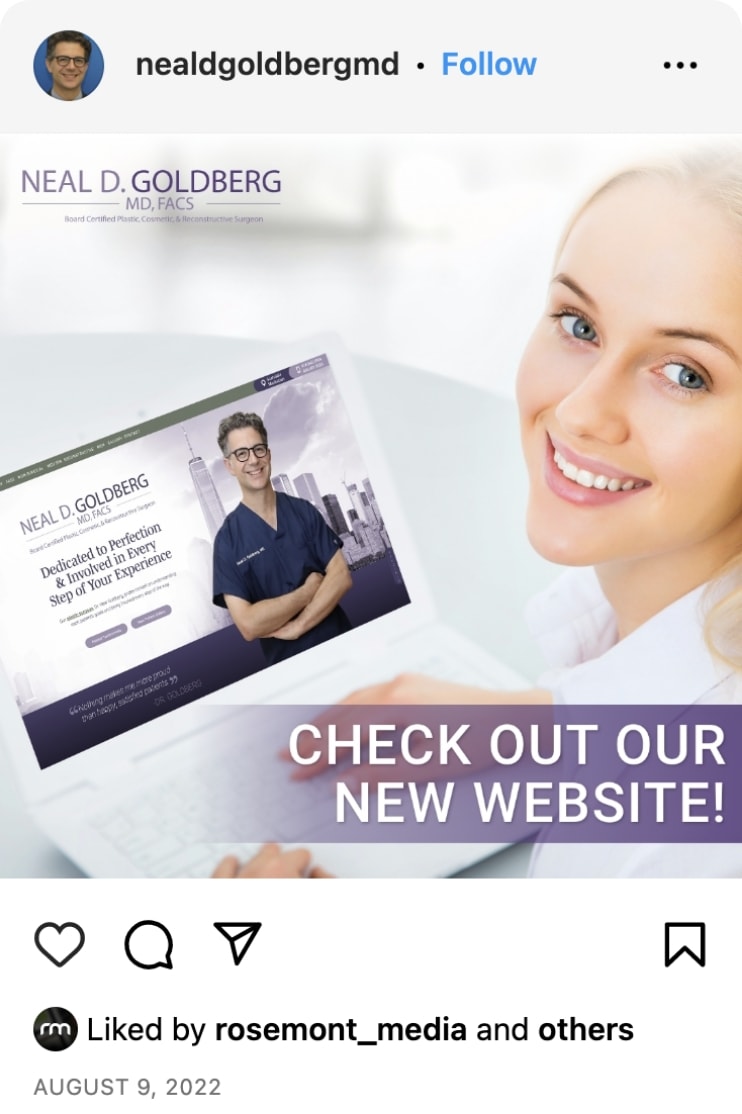
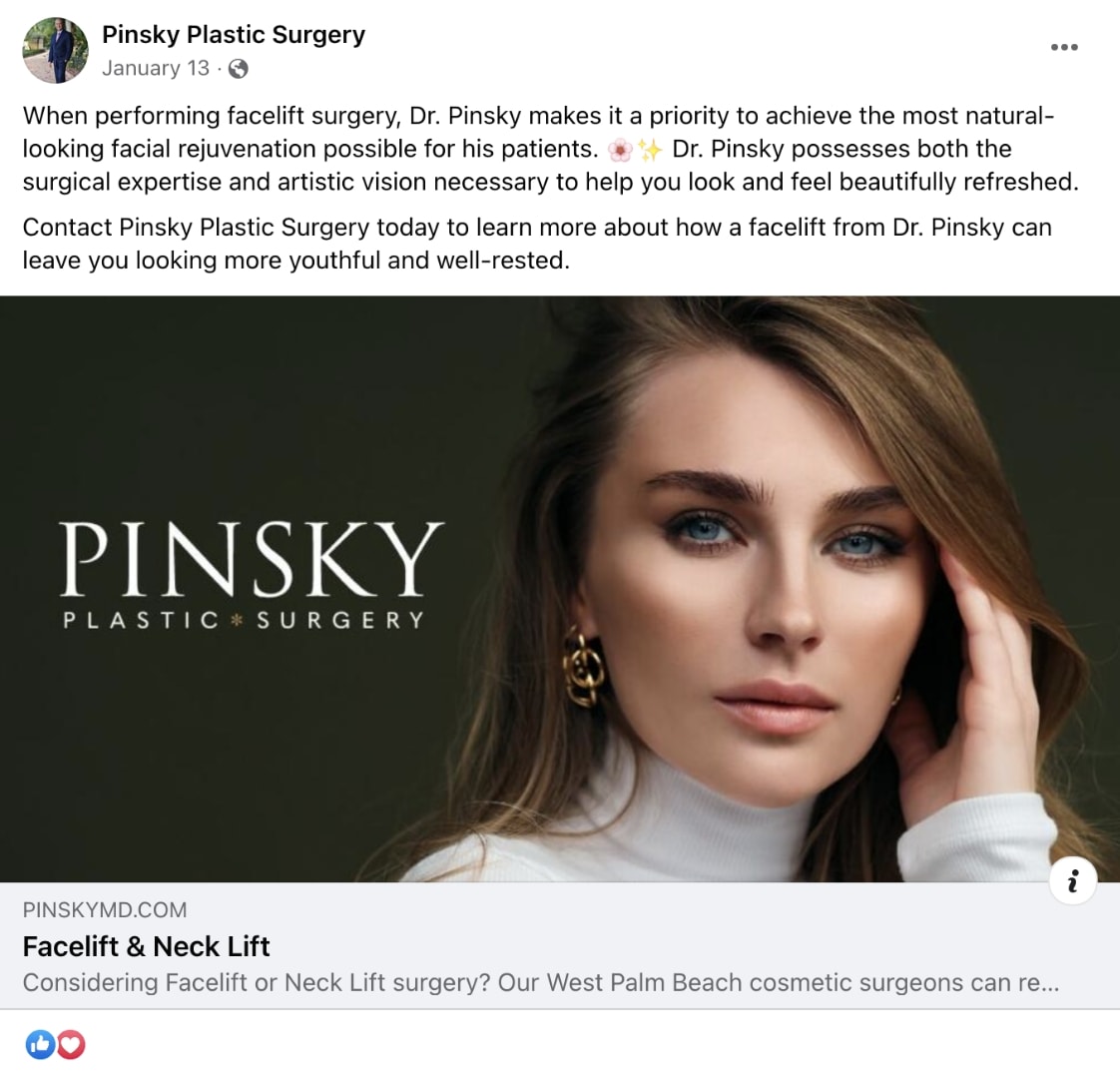
Eye-catching, relevant graphics customized just for your practice are one of the keys to getting noticed. We will provide you with a custom brand guide that will tell you what fonts, colors, and notes our design team will follow when creating your images and branding your videos.
-

Promoted Posts
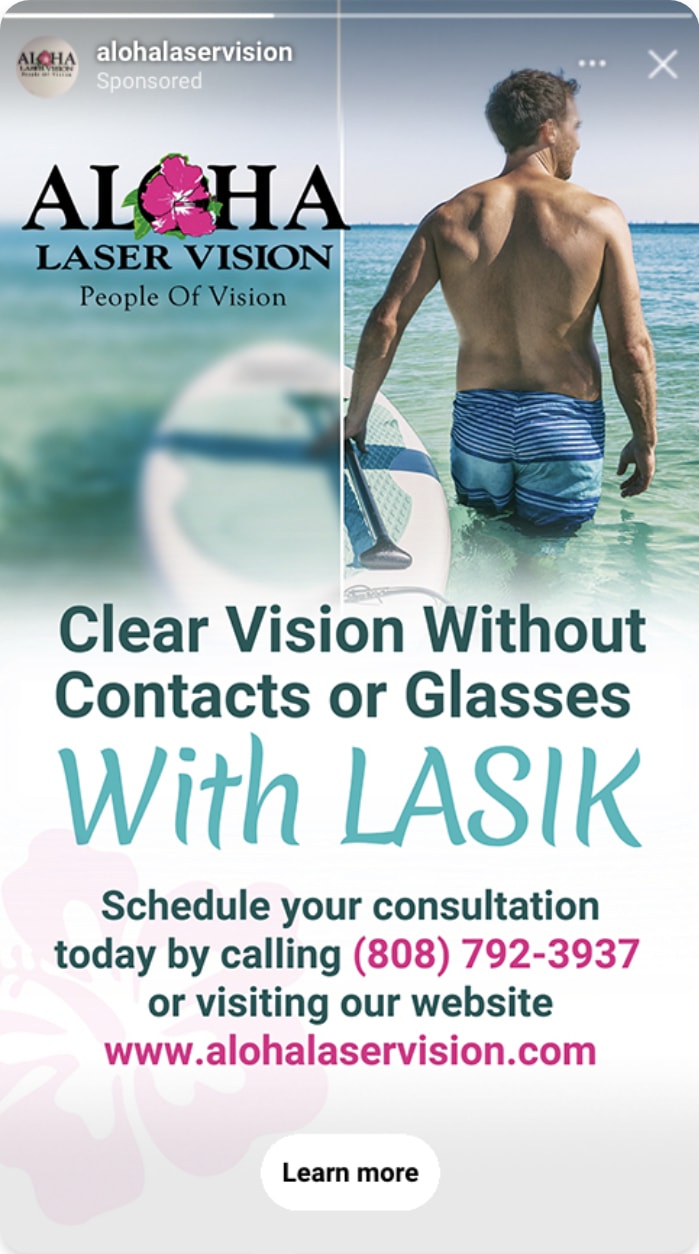
A sustainable social media plan requires a pay-to-play strategy to increase reach and conversion. By dedicating part of your budget to targeted paid social advertising campaigns for medical and dental practices, such as Facebook and Instagram ads, you can better reach prospective patients through their stories and feeds.
-

Demographic Targeting
Facebook and Instagram offer unique targeting opportunities to pinpoint audiences based on their location, friends, and interests (just to name a few). Our goal is to maximize your reach by optimizing your pages and posts according to these demographics.
-

Advanced Tracking
We combine the best of Meta Insights and Google Analytics to connect your social efforts and your website activities. This allows us to track the progress of your social media campaigns, ensuring they’re performing at their greatest potential and leading visitors to your website.
-

Consulting
Our team continuously monitors current social media activities, analytics, and trends in user engagement. A passion for communication paired with years of industry experience allows us to maximize social strategies to better reach your audience.
-

Patient Reviews
Strengthen doctor-patient communication by interacting with patients via social media. Your patient network will spread the word if they’ve had a great experience with you, which can help with online reputation and review management. Ultimately, reviews on your page can enhance your credibility as a leader in your industry.
Why Social Media Marketing Is Essential for Healthcare Practices
Most people use social media to some degree, with many spending hours on sites like Facebook and Instagram every day. In fact, research shows that the average internet user worldwide spends well over two hours each day across social media platforms1, and the total number of people using these platforms continues to rise, reaching more than 5.4 billion users globally as of 2025.3 For healthcare providers, this level of activity represents a significant and ongoing opportunity to reach patients where they already spend much of their time. This creates a significant opportunity for you to connect with prospective patients by meeting them where they already are.
Keep in mind, if you’re not monitoring the behaviors of your target audience, someone else is. Another practice is already responding to and influencing your prospective patients through their social media accounts. This is why it’s important for your practice to not only establish its own pages, but also tailor your activity according to those you want to reach.
There’s no better time than the present to increase your social media involvement, and by using the right marketing strategy, you can strengthen your practice in many ways. From building trust through consistent messaging to creating more awareness through customized posts and ads, social media marketing could be the missing piece that takes your online presence to the next level.
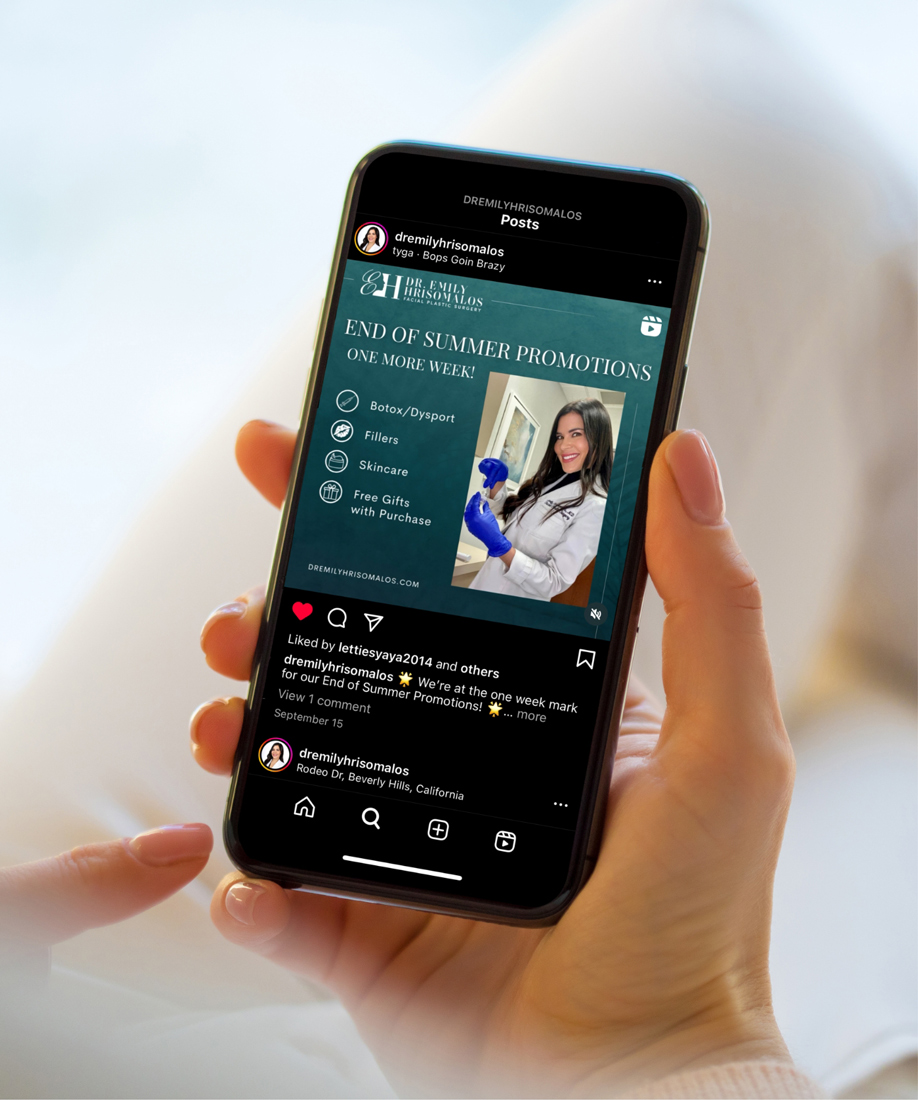

What Are the Benefits of Social Media for Doctors?
Social media has quite simply revolutionized how individuals all over the world communicate. Billions of people have adopted social media platforms such as Facebook, Instagram, and others to engage as hosts or audience members in what essentially amounts to a broad public address system. For doctors, social media offers another effective method of targeted outreach, one that can put them front and center before audiences who may not have easily found their practices through other platforms.
When leveraged strategically, social media can educate, engage, and inspire. Below are some of the most prominent benefits that a strong and consistent presence can bring to healthcare providers in a wide range of specialties.
-
Broadens Outreach and Attracts New Patients
One of the most immediate advantages of social media is its ability to extend your message to a much larger audience. By maintaining an active presence on platforms where patients already spend their time, you can meaningfully increase visibility and connect with prospective patients who are actively searching for information on specific procedures or treatments. A well-planned content strategy gives you the opportunity to showcase your services, highlight what makes your practice unique, and make a strong first impression before a patient ever walks through your door.
Maintains Connection with Current Patients
Social media provides an accessible and natural channel for staying connected with the patients you have already earned. Sharing practice updates, seasonal health tips, and milestone celebrations helps keep your practice top of mind between appointments. This ongoing touchpoint encourages loyalty, reinforces that patients are valued beyond the treatment room, and increases the likelihood that they will return when the need for future care arises.
Builds Authority and Establishes Credibility
For healthcare professionals, authority is not assumed; it is built over time through consistent, credible communication. Patients want to feel confident that they are choosing a provider who is both knowledgeable and trustworthy, and social media offers a wide range of ways to demonstrate exactly that. From answering frequently asked questions in short videos to sharing perspectives on emerging technologies and techniques, this kind of content educates your audience while steadily positioning your practice as a reliable source of accurate medical or dental information.
Enhances Reputation Through Engagement and Reviews
Reputation management is one of the most valuable and often overlooked benefits of a strong social media presence. A significant majority of patients consult reviews before selecting a provider, and platforms like Facebook make it easy for satisfied patients to share their experiences with others. Responding to comments, acknowledging positive feedback, and handling concerns with professionalism all signal to current and prospective patients alike that your practice takes their experience seriously.
Encourages Referrals and Word-of-Mouth Marketing
Social platforms give word-of-mouth referrals a reach they never had before. When patients engage with your content, share testimonials, or tag your practice in their own posts, their extended networks are organically introduced to your brand. This ripple effect can generate new patient inquiries that would simply never have come through traditional marketing channels, making every positive interaction a potential gateway to growth.
Provides Opportunities for Patient Education
Today’s patients arrive informed and eager to understand their options, and social media is one of the most effective spaces to meet that appetite. Through videos, infographics, and short-form posts, practices can help patients better understand procedures, set realistic recovery expectations, and feel genuinely confident in their treatment decisions. Content that educates does double duty; it empowers your audience while simultaneously deepening the trust that brings them through your door.
Supports Crisis Management and Transparent Communication
When uncertainty arises, whether during a broader public health event or a more localized practice update, social media becomes one of the most important communication tools at a provider’s disposal. The ability to quickly share accurate information, offer reassurance, and maintain transparency with patients in real time is invaluable. Practices that show up with clarity and consistency during challenging moments reinforce something that no marketing campaign can manufacture: the sense that their provider is dependable when it matters most.
A comprehensive social media strategy that thoughtfully blends outreach, engagement, and education can help your practice thrive in an increasingly digital world. By building authority, nurturing stronger patient relationships, and amplifying your reputation across platforms, social media has the power to fuel lasting growth and position your practice as a recognized leader in your specialty.
Platform-by-Platform Strategy Guide
Every social media platform has its own strengths, audience demographics, and content formats. For healthcare practices, it’s important to understand that what works well on Instagram may not resonate the same way on Facebook or LinkedIn. By tailoring your strategy to the unique features of each platform, you can maximize engagement, build credibility, and reach the right patients where they are most active.
-

Facebook
Facebook remains one of the most reliable and widely used platforms for medical and dental practices, offering tools that connect with both mature and wide-ranging demographics. The site’s massive user base makes it a powerful channel for patient outreach.
What performs best:- Longer-form posts featuring procedure details, practice announcements, and community involvement.
- Promotional content, such as event invites, special offers, or links to blog posts.
- Rich media including videos and graphics, along with Facebook’s built-in features like event pages, offers, and reviews.
Use Facebook to:- Share practice news or updates (new procedures, staff highlights).
- Promote events or seasonal campaigns.
- Post patient reviews or success stories, which can enhance reputation and trust.
Analytic tools on Facebook provide performance tracking and can ultimately help refine your strategy over time. Plus, with its strong targeting capabilities, you can tailor ads to specific geographic areas, age groups, and interest profiles. All of this can work together to maximize the potential that your content reaches the most relevant prospective patients.
-
Instagram
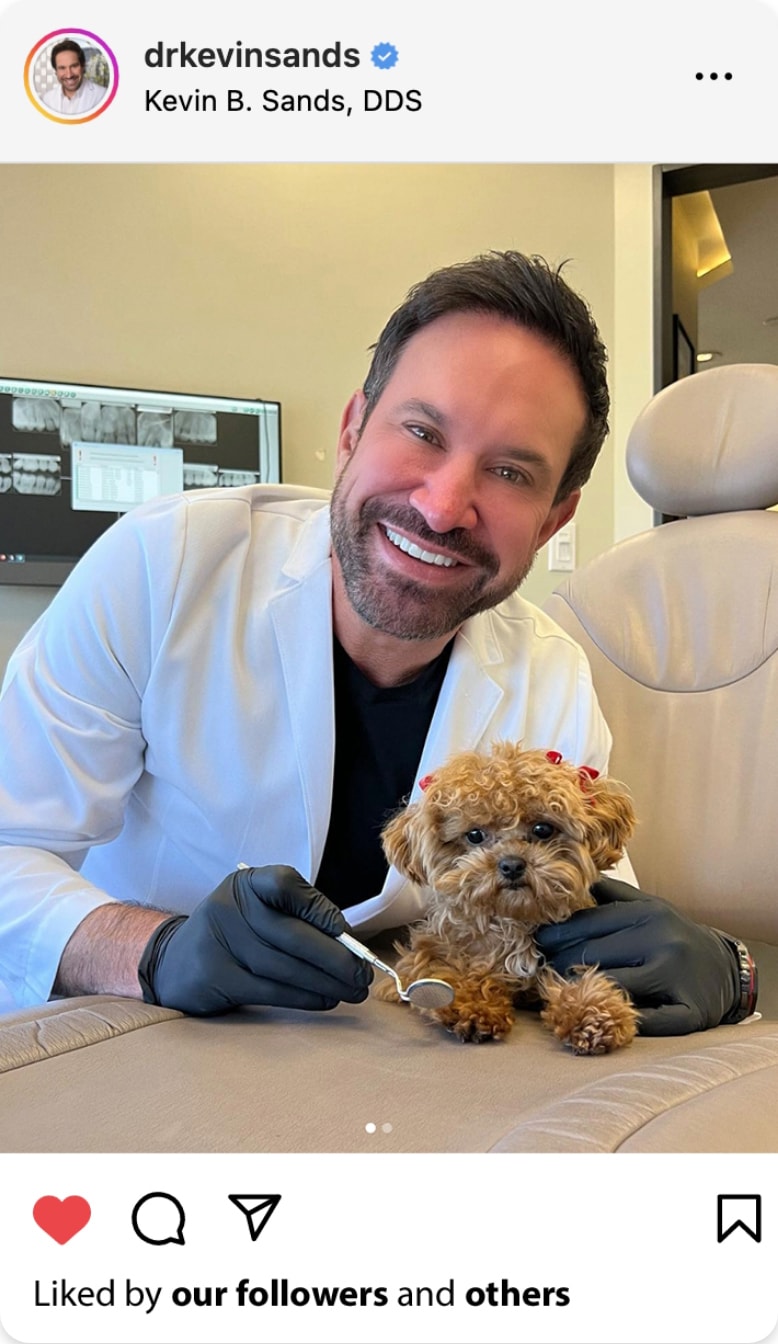
Instagram is a visually-centric platform perfectly suited for showcasing your practice’s personality through imagery and short-form video. Social media marketing for dentists and social media marketing for plastic surgeons offer powerful strategies to utilize mediums that can highlight before-and-after galleries, patient testimonials, team spotlights, and office tours.
Features to leverage:- Reels and Stories drive engagement through dynamic, ephemeral content.
- Visual consistency: A branded aesthetic, developed through a social media brand guide, helps strengthen recognition and recall.
- Instagram Lead Ads: Especially valuable in dental marketing, these ads allow patients to submit booking information directly within the app, reducing friction in the appointment process.
- Google visibility: In a significant development for healthcare practices, Google began officially indexing public Instagram posts starting in July 20254, meaning your Reels, Carousels, and photo posts from professional accounts are now eligible to appear directly in Google search results and not just within the Instagram app. This makes keyword-rich captions, descriptive alt text, and location-specific content more important than ever for practices looking to optimize their Instagram content for Google and maximize their discoverability both on social platforms and in search engines.
Best practices:- Use high-quality before-and-after visuals to demonstrate results, with proper patient consent.
- Keep content authentic and personal: showcase your team, procedures, and culture.
- Include succinct yet descriptive captions with relevant keywords (such as procedure names) to improve discoverability.
- Add alt text descriptions to images, improving accessibility and giving Google more context for your content.
- Stay consistent with hashtags and geo-tags to expand local reach and attract nearby patients searching for services.
By combining visual creativity with smart optimization, Instagram allows your practice to strengthen its brand presence, connect with patients authentically, and even improve visibility on Google searches.
-

TikTok
TikTok has evolved well beyond its reputation as a platform for teenagers, and now reaches a remarkably broad and engaged audience. As of 2025, users aged 25 to 34 represent the platform’s largest demographic segment, while those 35 and older now collectively account for nearly a quarter of its global user base.⁵ For healthcare practices, this maturation of TikTok’s audience means the platform is no longer limited to reaching Gen Z. Ultimately, it has become a meaningful channel for connecting with adults across a wide range of age groups, including those most likely to be making healthcare decisions for themselves or their families. Both plastic surgeons and dental practices can benefit from TikTok’s short-form, trend-driven format.
Why it works:- Trends and challenges provide a ready framework for creative engagement.
- Authenticity is rewarded; showing the human side of your practice makes content more relatable.
- Educational “how-to” clips (e.g., flossing tips, procedure insights) perform well and position your practice as helpful and knowledgeable.
Tips for success:- Use trending audio to increase visibility via TikTok’s algorithm.
- Balance fun, light-hearted content with educational value and privacy protections.
- Stay consistent and responsive; engage with comments and participate in community trends.
If your goal includes attracting younger patients or humanizing your practice, TikTok marketing for dentists and plastic surgeons offers a valuable opportunity to create shareable, creative content that resonates.
-

LinkedIn
LinkedIn is an often-overlooked platform for healthcare providers, but it holds significant value, especially for professional visibility, referral networking, and thought leadership.
Strengths include:- Sharing educational articles, procedure updates, and blog posts to position your practice as a credible authority.
- Connecting with other healthcare professionals and potential referral sources through professional networking.
- Leveraging LinkedIn ads to target specific industries or job roles (useful for B2B initiatives or outreach to corporate health programs).
Content ideas:- Industry insights (such as new technologies or emerging trends).
- Practice achievements or team milestones.
- Thought leadership pieces addressing topics specific to a certain specialty.
For practices focused on building professional reputation, referral partnerships, or institutional credibility, LinkedIn serves as a refined platform to reach colleagues, partners, and decision-makers in healthcare.
-

YouTube
YouTube is the top platform for long-form video content, providing deep educational value and credibility through storytelling.
Best uses:- Procedure explainers, FAQs, and detailed educational pieces that help patients understand complex treatments.
- Patient testimonials and before-and-after result showcases (with patient consent) that build trust and relatability.
- Behind-the-scenes practice tours, staff introductions, and procedural overviews, which add transparency and familiarity.
Benefits:- Videos can drive significant traffic back to your website when optimized with relevant titles, descriptions, and tags, making every upload a potential long-term asset for your practice.
- Search-optimized content tends to stay relevant longer and offers a stronger long-term return compared to short-lived platforms, giving your efforts enhanced value well beyond the initial post.
- YouTube’s embeddable content travels well, making it easy to repurpose and share across your website, social media channels, and email campaigns for maximum reach.
By using YouTube strategically, your practice can cement itself as a trusted educator, gain visibility through search, and deepen engagement beyond bite-sized social media content.
Bringing It All Together
While each platform offers unique opportunities, the most effective social media strategy for healthcare providers involves using them in combination. To put the scale of these platforms in context: as of 2025, Facebook leads all platforms with more than 3 billion monthly active users, followed by YouTube at 2.5 billion, Instagram at 2 billion, and TikTok at more than 1.5 billion.3 Together, these platforms represent a reach that no other marketing channel can match. When coordinated under a single, cohesive strategy, they reinforce one another to create a powerful presence for your practice online. Facebook may help maintain patient relationships, Instagram can showcase your practice visually, TikTok can expand your reach with younger audiences, LinkedIn can strengthen professional credibility, and YouTube can provide in-depth education that stands the test of time.
At Rosemont Media, we specialize in helping doctors identify which platforms can deliver the strongest return for their specific goals. By leveraging platform strengths strategically and maintaining consistent branding across channels, we help practices stand out in a crowded digital landscape and connect with patients in meaningful ways.
Types of Content That Work for Healthcare Practices
Not all social media content carries the same impact. For healthcare providers, the most effective posts strike a balance between being educational, authentic, and visually engaging, while also reinforcing professionalism and compliance with industry regulations. Below are some of the content types that consistently resonate with patients and help build stronger connections online.
Educational Posts
Patients frequently turn to social media for quick, reliable answers to common health and treatment questions, and practices that show up with helpful, accurate information are well positioned to earn their trust. Educational posts developed as part of a broader medical SEO and content strategy allow you to provide genuine value while reinforcing your practice’s authority in your specialty. These posts can take many forms, including short videos walking patients through how a procedure works, graphics that break down treatment options side by side, or captions that tackle common myths and set the record straight.
Educational content performs best when it is concise, visually supported, and directly relevant to what your audience actually wants to know. A dentist might share practical tips for maintaining oral health between visits, while a plastic surgeon could offer a realistic look at what recovery involves. When patients feel informed, they feel confident, and confident patients are far more likely to take the next step toward scheduling care.
Patient Stories & Testimonials
There are few things more compelling than hearing directly from someone who has already been through the experience a prospective patient is considering. With appropriate permissions in place, testimonials and patient stories can be shared in a variety of formats, from a brief written quote to a short video clip to a more in-depth interview-style feature.
This kind of content builds trust in a way that branded messaging simply cannot. Real outcomes, told in real voices, give prospective patients something to connect with personally and make it easier for them to envision their own experience with your practice. Testimonials work well as standalone posts, woven into Reels or Stories, or paired with before-and-after visuals for a more complete and compelling picture.
Behind-the-Scenes & Team Highlights
People want to know who they are entrusting with their care, and behind-the-scenes content gives them a genuine look at the people and culture that define your practice. Staff spotlights, team celebrations, training moments, and candid glimpses into a typical day in the office all contribute to a more human and approachable online presence. This type of content does something that polished promotional posts often cannot: it creates a sense of familiarity and warmth that helps patients feel at ease before they ever set foot in your office.

Best Practices for Medical Social Media Marketing
Social media offers immense potential for healthcare practices, but with that potential comes the responsibility to uphold professionalism, protect patient privacy, and maintain consistent engagement. The following best practices can help ensure your presence is both effective and ethically sound.
HIPAA & Patient Privacy Compliance
Maintaining patient privacy is non-negotiable. Always practice ethical marketing by ensuring posts (even non-identifying before-and-after content) adhere to professional and legal standards. Whenever patient images or stories are used, securing explicit written consent is essential; improper sharing can damage reputations and even result in compliance issues.
Upholding Tone and Professionalism
Your practice’s social media tone should strike the right balance: warm, human, conversational, and always professional. Social media isn’t the place for overly promotional or clinical-sounding content; rather, it’s an opportunity to connect with patients through authentic, lighthearted storytelling that reflects your practice’s personality. These posts can build rapport without sacrificing credibility.
Posting Frequency & Consistency
In the realm of social media, consistency beats occasional bursts. Sporadic or outdated posts may make practices appear disengaged, while a regularly updated feed demonstrates reliability and relevance. Furthermore, a blended strategy that combines organic content with strategic paid campaigns helps your message stay visible and reinforces your brand identity over time.
Why These Practices Matter
A well-structured social media approach can elevate your practice’s digital presence without ever compromising its integrity. When HIPAA compliance is prioritized, it does more than limit legal risk; it sends a clear message to patients that their privacy is taken seriously and their trust is well-placed. A tone that is professional yet genuinely personable helps audiences feel connected to your practice rather than feeling like a target for your marketing efforts.
Finally, when content shows up consistently, it signals that your practice is active, invested, and worth following. Individually, each of these practices strengthens your presence; together, they are able to form the foundation of a social media strategy that patients can rely on and trust.
Amplify Your Reach with Paid Social Media Advertising
The digital landscape is more competitive than ever, and while a strong organic social media presence lays an important foundation, paid advertising can accelerate your reach even further. Platforms like Facebook, Instagram, and TikTok offer sophisticated targeting capabilities that allow your message to reach the right people, in the right places, at the right time. Whether through imagery, video, Reels, Stories, or a combination of formats, our team can craft paid campaigns that are visually compelling and strategically built around your specific goals.
A well-executed paid social media strategy can do a great deal for your practice. From promoting new treatments and raising brand awareness to driving more traffic to your website and amplifying your message across multiple channels, the possibilities are both broad and highly customizable. Beyond the immediate impact, paid advertising also generates valuable data that gives our team a clearer picture of what is working and where there is room to improve, allowing us to continuously refine your strategy and build on results over time.
What Paid Social Advertising Can Achieve
- Brand Awareness: Use paid ads to put your message in front of potential patients who may not follow your pages yet. This is especially vital when expanding into new treatment offerings or geographic areas.
- Conversions: Target audiences who are closer to decision-making (such as those visiting your site or viewing appointment pages) with ads designed to drive appointment requests, consultation submissions, or inquiries.
- Retargeting: Re-engage visitors who have interacted with your content before (whether they’ve viewed a specific service page, watched a procedural video, or added items to cart-like booking flows) with tailored ads that guide them gently back into the scheduling funnel.
These layered objectives can help ensure your advertising budget works across the patient journey, from initial awareness to final conversion.
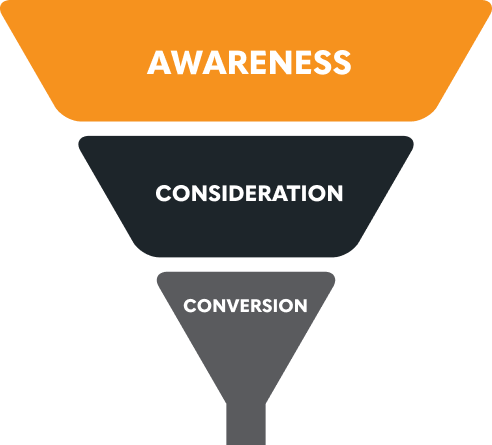
Funnel Strategies for Healthcare Practices
To maximize effectiveness, social ad campaigns should reflect the patient journey:
- Top of Funnel (Awareness) – Cast a wide net with visually appealing ads, educational short-form video (Reels or TikToks), or testimonial spotlights to build trust and recognition.
- Middle of Funnel (Consideration) – Retarget users who have engaged with your content or visited your site using educational offers or reminders to encourage further interest, like “Learn More” or “See Before/After.”
- Bottom of Funnel (Conversion) – Target potential patients with timely offers (e.g., “Book Your Consultation”), direct lead forms, or clickable appointment links to capture new inquiries.
By structuring campaigns in this funnel-driven approach, your paid strategy nurtures prospects step-by-step toward scheduling an appointment.
Budget Planning & Measuring ROI
Effective budgeting and ROI tracking for social media are essential:
- Budgeting: Market dynamics in healthcare, especially elective procedures, tend to mean higher competition for advertising space. Facebook’s increasingly pay-to-play environment requires allocating sufficient daily spend (even starting small, like $15/day per ad) to gain traction. For some practices, dedicating roughly one-third of the digital marketing budget to Facebook ads is a reasonable benchmark.
- ROI & Analytics: Instead of focusing on vanity metrics, prioritize measurable outcomes such as appointment requests, phone calls, or email leads. Use built-in tools like Facebook Ads Manager, Instagram Insights, and TikTok analytics, in tandem with Google Analytics or CRM tracking to assess how many site visits or form conversions stem from social campaigns.
- Ongoing Optimization: Monitor campaign performance regularly, adjust creative or audiences as needed, and reinvest in top-performing ads. Rosemont Media emphasizes that combining strong visual messaging with layered targeting and proper budget allocation drives long-term growth.
Why This Matters
A structured paid social media strategy not only drives visibility but brings clarity and control. With carefully defined goals for awareness, retargeting, and conversions, your campaigns support each stage of the patient decision-making process. By pairing that strategy with thoughtful budgeting and performance tracking, your practice gains both short-term results and long-term optimizations, building a sustainable marketing engine.
Learn more about paid advertising on social media for dentists and paid advertising on social media for plastic surgeons, and how it can help produce focused outreach and a healthy return on investment for your marketing strategy.

Analytics and Measuring Success
True marketing impact emerges when your efforts are measured and optimized. For healthcare practices, tracking performance isn’t optional; it’s essential to understand what connects with patients and drives results.
Key Metrics That Matter
- Engagement: Track likes, comments, shares, and saves; these actions indicate whether your content is resonating. Utilizing Facebook Insights can help you gauge which posts generate meaningful interaction.
- Reach & Referrals: Knowing how many people saw your post and then visited your website adds clarity on content effectiveness. Google Analytics can reveal how many users came from social media, insights that we recommend for guiding future content strategy.
- Conversions & Inquiries: The ultimate goal is action: appointment bookings, form submissions, or messages. Tracking tools such as Facebook’s conversion pixel and campaign analytics help quantify how many visits turned into leads.
How Analytics Fuel Strategy Refinement
Analytics are most valuable when they inform decision-making. For instance:
- Identify top-performing content (whether educational, testimonial, or awareness posts) and prioritize those formats.
- Use reach and engagement trends to adjust posting cadence, content type, or ad targeting to better connect with your audience.
- Monitor which campaigns led to the most conversions, then shift budgets toward those channels or creatives to boost ROI.
This iterative process (track, analyze, optimize) is exactly how our team ensures social efforts don’t just reach people, but also drive tangible business outcomes.
Example Scenario
Imagine you share a series of Instagram posts educating patients about a new treatment. Post A gets high reach and engagement, while Post B generates more website clicks and inquiries. You’d begin by analyzing what resonated; was it the format, caption, or visual approach? You’d then adjust your strategy: replicate the elements of Post A on broader channels to expand visibility, and take Post B’s format to promote appointments. Over time, these insights result in refined content that educates, engages, and converts more reliably.
Case Studies & Success Stories
Don’t just take our word for it; see for yourself what our team has helped clients achieve through a comprehensive social media strategy! Our mission is to help you stand out from the noise of social media, amplifying the great qualities that make your practice unique.
-
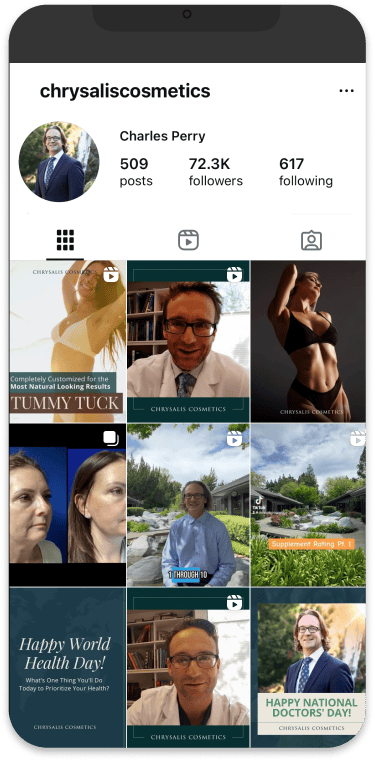
Social Media Case Study #1
Client or Company Information
- Client/Company Name: Chrysalis Cosmetics
- Industry: Plastic Surgery
- Project Duration: June 4th, 2025-July 30th, 2025
Objectives
The objective of this campaign was to generate more website traffic and awareness for this client. We also wanted to determine whether or not a video of the surgeon speaking directly to an audience would perform better than previous stock model imagery ads.
-
Objective 1: Website Traffic
Key Performance Indicators (KPIs):
Clicks, Website Views -
Objective 2: Creative Comparison
Key Performance Indicators (KPIs):
Engagement, Video Views
Strategy
The specific subject of the ad for this month was tummy tuck surgery. We wanted to reach an audience who had interest in physical fitness and were looking to gain more confidence in their appearance. We also wanted to target parents with children, a key audience for this procedure.
Target Audience
Demographics:
- Target Audience Age: 21-50
- Target Audience Gender: Women and Men
Psychographics:
- Interests: Beauty, Aesthetics, Luxury, Health & Wellness, Physical Fitness or Luxury Goods,
- Parents: Parents (up to 12 months), Parents with Toddlers (01-02 years), Parents with Preschoolers (03-05 years), Parents with Early School-Age Children (06-08 years), Parents with Teenagers (13-17 years), or Parents with Preteens (09-12 years)
Content Strategy
- Content Themes: The theme of the content was the surgeon discussing tummy tuck surgery to inform and educate (as authentic, educational content tends to resonate with audiences specific to social media).
- Content Calendar: We ran this particular tummy tuck ad from June 4th, 2025 until July 30th, 2025, monitoring and adjusting elements of the campaign as needed.
Platform Selection
- Platforms Used: Instagram
- Rationale: In this case, we specifically chose Instagram because we often see younger audiences (and specifically parents) here more than on Facebook or similar platforms. The surgeon also has a larger audience on Instagram, and therefore has established credibility and easily reachable content on that platform.
Execution
- Content Creation: The social media team crafted custom captions for this ad. It contained information about the video creative and how to contact the client. The video was filmed by the client and sent to the RM team for editing and captions.
- Community Management: We monitored the comments, making sure to address any questions and “like” any positive feedback.
- Paid Advertising: After receiving the creative assets from the design team and having the captions reviewed by the writing team, the social media team uploaded the creative into Meta Ads Manager. Other elements included budget, tailoring audience targeting, and adjusting ad placements. We tailored the video to meet size requirements for all platform placements.
Results
The results of this campaign were overwhelmingly positive. We saw a growth in link clicks, engagement, and video views.
Key Performance Indicators (KPIs)
Objective 1 Result:Link Clicks: 1,764
Objective 2 Result:Video Views: 163,054
Page Engagement: 15,551Engagement increased by 54%
Followers increased by 100%Metrics
- Engagement Metrics: Engagement increased by 54% when compared to the previous month’s ad creative with stock model-only imagery.
- Follower Growth: Followers increased by 100% compared to previous month’s ads.
Conclusion
When compared to previous campaigns where stock models were used, this campaign saw an overall increase in engagement from target audiences and a boost in website traffic. By utilizing creative elements from the practice and having the surgeon educate audiences, this campaign was deemed successful.
-
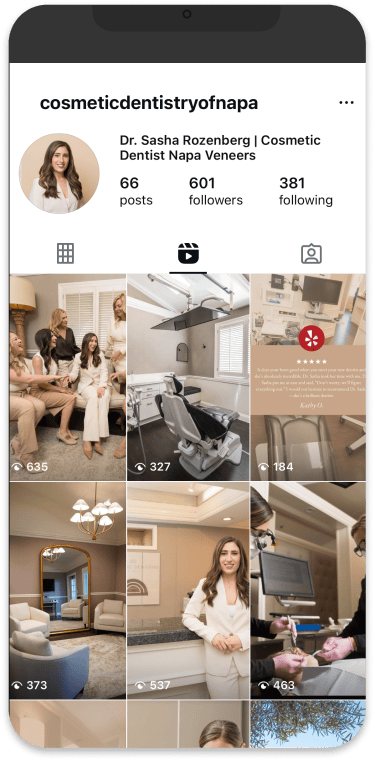
Social Media Case Study #2
Client or Company Information
- Client/Company Name: Cosmetic Dentistry of Napa
- Industry: Dentist
- Project Duration: September 2025
Objectives
We began two traffic campaigns (one across multiple platforms and one across Instagram only) for Cosmetic Dentistry of Napa in September of 2025. Our goal was to increase website traffic and brand awareness to their smile makeover procedure and patient testimonials.
-
Objective 1: Brand Awareness
Key Performance Indicators (KPIs):
Impressions and Reach -
Objective 2: Increase Site Traffic
Key Performance Indicators (KPIs):
Number of Link Clicks and Cost Per Result
Strategy
We targeted men and women in the 18-65 age groups in and around Napa, CA, aiming to reach patients who may be interested in a smile makeover. We also used detailed targeting to reach audiences who may be concerned with their physical appearance and wish to make a change to their smile.
Target Audience
Demographics:
- Target Audience Age: 18-60
- Target Audience Gender: Men and Women
- Target Audience Location: Napa, Calistoga, Oakville, Saint Helena, and Sonoma, CA
Psychographics:
- Interests: Beauty, Smile, Aesthetics, Personal Care, Health and Wellness, Listerine, Crest, Colgate, or Oral-B
Content Strategy
- Content Themes: We were able to use client-provided videos for both campaigns. The multi-platform traffic ad provided a behind-the-scenes look at the practice’s smile makeover process, while the Instagram-specific traffic ad showcased a video testimonial from a patient.
- Content Calendar: Each ad was run on a monthly basis on a schedule of 6AM-10PM daily.
Platform Selection
- Platforms Used: Instagram and Facebook
- Rationale: We wanted to have audience diversity by having an ad that ran on Facebook and Instagram, while also hitting the younger demographic by having an additional Instagram-only ad.
Execution
- Content Creation: The social media team crafted custom captions for each ad containing more information on smile makeovers. The graphics were created by the RM design team with direction from the social media team using practice-provided videos.
- Posting Schedule: The RM team decided to put the ads on a schedule from 6AM local time to 10PM local time, Monday-Sunday. This decision was made with the goal of mitigating spam and reaching target audiences.
- Paid Advertising: After the writing team finalized the captions and the design team provided the creative elements, the social media team uploaded the content into Meta Ads Manager. They then added the captions to the video, tailored the audience targeting, and set the budget and ad schedule.
Key Performance Indicators (KPIs)
Objective 1 Result: (Brand Awareness)September 2025: Ad 1 (Multi-Platform)- Impressions: 19,566
- Reach: 16,152
Ad 2 (Instagram Only)
- Impressions: 23,759
- Reach: 22,839
Objective 2 Result: (Increase Site Traffic)September 2025: Ad 1 (Multi-Platform)- Link Clicks: 916
- Cost Per Result: $0.40
Ad 2 (Instagram Only)
- Link Clicks: 404
- Cost Per Result: $0.72
Metrics
Based on the above KPIs, the practice saw an increase of brand awareness and overall traffic on their website. Even though they will be moving to only one ad (running only on Instagram), we are optimistic that we’ll see a continued increase in traffic.
Common Mistakes to Avoid in Healthcare Social Media Marketing
Even with the best intentions, healthcare practices can fall into a few predictable traps when it comes to social media marketing. Here are some of the most frequent missteps that can undermine credibility, engagement, and patient trust.
-
Posting Irregularly or Inconsistently
A sporadic posting schedule is one of the most common and costly mistakes a practice can make on social media. Algorithms reward consistency, and profiles that go quiet for stretches of time risk losing visibility, relevance, and audience trust. A steady, reliable cadence of content keeps your practice top of mind and gives patients a reason to keep coming back.
-
Using Poor-Quality Visuals
On social media, first impressions are almost always visual. Blurry photos, inconsistent branding, or generic design can quietly erode the professional image your practice works hard to maintain. Cohesive visuals rooted in your logo, color palette, and overall style do more than look polished; they build brand recognition, signal credibility, and reinforce patient confidence every time someone encounters your content.
-
Ignoring Comments and Messages
Social media is, at its core, a two-way conversation. When patients take the time to ask a question, leave a compliment, or share a concern, leaving that outreach unanswered sends the wrong message entirely. Timely, thoughtful responses show patients that your practice is attentive and approachable, qualities that go a long way in building the kind of rapport that keeps people coming back and referring others.
-
Not Tailoring Content to Your Audience
Casting a wide net might generate impressions, but it rarely generates connection. Patients vary widely in age, background, health literacy, and what they are looking for from a provider, and content that tries to speak to everyone often ends up resonating with no one. The most effective practices take time to understand who they are trying to reach and craft content accordingly, whether that means visually driven posts for younger audiences exploring aesthetic treatments or practical wellness information for more established patients managing long-term health goals.
Social Media Marketing for Different Specialties
 Effective social media strategies must reflect each healthcare specialty’s unique offerings, audience, and goals. Below, we highlight how different practices can leverage social media.
Plastic Surgeons
When it comes to social media marketing for plastic surgeons, curating a compelling visual portfolio is crucial for showcasing aesthetic outcomes and reinforcing comfort and safety. Through behind-the-scenes glimpses, high-quality before-and-after galleries, and breakdowns on procedures and processes, practices can demystify treatments while emphasizing credentials and safe patient care. A robust social media identity helps build brand presence, fosters connection, and enhances confidence, especially when paired with consistent educational messaging.
Dentists
Dental practices have rich storytelling opportunities through smile transformations and wellness education. Before-and-after visuals bring smile makeovers to life, while posts about Invisalign® and routine preventive care help patients understand treatment progression and home habits. Platforms like Facebook and Instagram are especially strong for these specialties, allowing for narrative-driven posts, infographics, and testimonials that resonate with both current and prospective patients. Our digital marketing experts support this with tailored dental social media strategies that include profile optimization, custom content creation, monthly post calendars, and monitoring of conversions and ad performance.
Other Elective Specialties
- Dermatologists – From everyday skincare routines to advanced aesthetic procedures, dermatologists have a wealth of content to draw from on social media. Condition-specific education, product guidance, seasonal skincare campaigns, and myth-busting posts around common skin concerns can all perform well and position the practice as a knowledgeable, go-to resource. Clinical and cosmetic services alike can be highlighted in ways that inform, engage, and attract a broad patient base.
- Bariatric Surgeons – Few journeys are as personal or as transformative as weight loss surgery, and social media offers bariatric practices a powerful way to honor that. Sharing real patient stories, practical lifestyle and nutrition guidance, and meaningful before-and-after milestones creates content that prospective patients can genuinely see themselves in. Authentic storytelling in this specialty does more than generate engagement; it builds the emotional trust that patients need before taking such a significant step toward change.
- Ophthalmologists and Optometrists – Vision care may not be the first specialty that comes to mind for social media, but it offers rich opportunities for patient education and engagement. Content covering topics like LASIK candidacy, dry eye management, and the growing impact of digital eye strain resonates with a wide audience. Infographics that simplify complex eye health information, patient testimonials celebrating improved vision, and straightforward explanations of the latest vision correction technologies all help establish the practice as a trusted and approachable authority in eye care.
Why Specialty-Focused Content Matters
Each elective specialty reaches audiences with different needs and emotional journeys. Social media content that acknowledges these nuances personally can direct patients toward their specific concerns. Whether spotlighting preventive versus aesthetic care, or providing guidance versus transformation stories, Rosemont Media shapes content that speaks directly to the patient’s mindset and trust-building path.
Integrating Social Media with Broader Digital Marketing
A truly effective digital strategy blends social media with search engine optimization (SEO for doctors), generative engine optimization (GEO), blogs, Google Local Service ads and other paid search and digital advertising services (such as social media ads and pay-per-click), and email marketing campaigns for medical and dental practices to create a connected ecosystem that meets patients at every stage of their journey.
Creating Synergy Across Channels
Social media doesn’t stand alone. It works best when integrated with complementary channels:
- SEO & Blogs: Regular blog content is a powerful asset. Sharing blog posts through social channels not only drives website traffic but also strengthens your site’s ranking potential in search engines. Consistent, well-optimized social posts amplify the reach and impact of your content.
- PPC / Paid Search: Paid search campaigns, whether targeting Google or social platforms, can reinforce organic visibility. Social ads nurture early-stage awareness, while search ads capture demand when patients are closer to booking. Together, they form a full-funnel amplification strategy.
- Email Marketing: Email remains one of your most direct lines to patients. You can use social engagement to grow your subscriber list, then drive content back through newsletters, and even retarget email subscribers with Facebook custom audience ads.
Mapping an Omnichannel Patient Journey
A streamlined omnichannel experience might look like this:
- A visitor discovers an educational blog post via Google.
- They click, land on your site, and sign up for email updates.
- A curated social post features the blog content, prompting engagement and follow-through.
- You send a targeted email with a related infographic or service highlight.
- An appropriate PPC campaign runs concurrently, capturing ready-to-convert visitors with coupon-style offers or appointment reminders.
This coordinated strategy ensures each interaction builds on the last; warmer, more informed, and closer to committing.
Why Integration Builds Results
When your marketing channels collaborate rather than compete, the combined effect is more powerful than the sum of individual parts. Rosemont Media’s integrated approach ensures every touchpoint is consistent, trackable, and designed to move patients closer to booking at each stage.
Our Approach
-

Discovery
We get to know what makes you unique
-

Research + Planning
We create a custom calendar just for you
-

Implement
You approve posts before they go up
-
Track Results
Our experts provide advanced analysis
Why Choose Rosemont Media
 Many practices realize the value of social media but underestimate the amount of work involved in creating and executing successful social media strategies. At Rosemont Media, we utilize several in-house departments to collaborate, plan, create, and execute social media collateral and tactics. Strategic planning is necessary to create a quality social product that resonates with your target audience. Considering the ever-changing landscape of social media, our specialists can customize your online presence to evolve so you stay relevant and continue to thrive.
With a specialized focus on healthcare marketing, our team understands the nuances of the industry and what prospective patients are looking for. We have dedicated our company to helping top medical and dental professionals around the world achieve online success. By managing the full scope of your online marketing efforts — from custom medical website design to media buying to social media marketing — we can create consistent messaging across your online efforts that builds trust in your brand. Having worked with budgets of virtually every size, our team can develop a social media marketing plan that helps you reach your practice’s growth goals.
In-House Expertise with a Collaborative Edge
Our fully integrated team delivers end-to-end solutions tailored specifically for healthcare. Having all capabilities under one roof allows us to respond quickly to trends, maintain message consistency, and deliver high-quality campaigns. Collaboration is key, and we pride ourselves on working together and combining our expertise to help individual practices succeed.
Specialization in Elective Healthcare
We work exclusively with elective healthcare practices: dentists, plastic surgeons, dermatologists, eye care specialists, bariatric physicians, and more. This industry focus means we speak your language, understand regulatory sensitivities, and know what drives patient decisions. Our clients benefit from a refined, industry-proven playbook.
One Practice Per Market for Competitive Protection
Rosemont Media honors a policy of geographical exclusivity. By partnering with only one practice per area, we help safeguard your competitive positioning so you’re not competing against a neighbor for the same audience.
Consistency Across Digital Channels
Whether you’re designing a custom website, optimizing for search, engaging on social media, or launching paid campaigns, all of our strategies are aligned under a unified vision for your brand. This integrated approach can help ensure your message and practice representation are cohesive and your patient experience is as seamless as possible.
Partnering for Growth and Trust
Since our founding in 2008, Rosemont Media has grown into a trusted partner for healthcare providers aiming for sustained growth and visibility. Our long tenure, modern agency approach, and exceptional customer service allow us to evolve our strategies right alongside your practice, backed by data-driven insights, proactive support, and personalized attention.
Frequently Asked Questions About Social Media Marketing
How often should I post on social media?
Maintaining a regular posting schedule is a critical element of social media marketing. At minimum, aim for two to three posts per week to keep your audience engaged. For more active practices, five posts per week is a sweet spot for visibility and consistency without overwhelming followers. Rosemont Media’s approach includes building out monthly content calendars to maintain a steady rhythm of posts.
What types of content usually work best?
Content that educates, inspires, or connects often performs strongly, especially when paired with visual material. Ideal types of social media content include:
- Educational briefs (such as treatment tips and procedure explanations)
- Before-and-after stories and testimonials
- Behind-the-scenes or team highlights
- Awareness and timely campaign posts
These formats not only inform but they can also create emotional resonance, building trust and credibility in your specialty.
Is paid advertising worth it, or should I stick with organic posts?
Organic content builds foundation and trust, but paid ads expand reach and precision.
- Organic: Fosters genuine engagement and brand-building with current followers.
- Paid: Amplifies visibility, targets specific audiences (such as location, interests), and propels conversions like appointment requests.
Furthermore, our experts at Rosemont Media generally advise combining both: organic content for top-of-funnel awareness and paid advertisements for driving action.
How should I respond to negative reviews or comments?
First, always reply calmly and promptly. This shows you're listening and committed to patient care. Avoid arguing publicly; instead, invite the individual to connect privately via call or visit. Thoughtful and professional responses not only address the issue, but also demonstrate to other patients that you take feedback seriously.
How can I protect patient privacy on social media?
Safeguarding patient privacy is paramount. Follow these steps every time you post:
- Obtain explicit written consent before sharing any patient stories or images.
- De-identify visuals by removing faces, tattoos, or any unique identifiers.
- Share generalized narratives if full disclosure is unnecessary.
- Maintain a professional tone even if you're sharing lighter content.
A clear checklist can help ensure adherence to HIPAA standards without sacrificing engagement.
How do I choose the best platform for my practice?
Platform choice should align with your goals and patient base:
- Facebook: Strong for local targeting and community building.
- Instagram: Ideal for visual storytelling, transformations, and reel-style content.
- TikTok: Great for educating through quick, authentic videos, especially appealing to younger demographics.
- LinkedIn: Helps build professional credibility, relationships, and referral networks.
- YouTube: Serves long-form education and higher-intent audiences.
Can social media marketing help my practice rank higher in search results?
Yes, and increasingly so. While social media activity itself is not a direct ranking factor, it plays a meaningful supporting role in your overall search visibility. Sharing content that drives traffic to your website, earning engagement that signals relevance, and building brand recognition across platforms all contribute to a stronger digital footprint. Additionally, as of July 2025, public Instagram posts from professional accounts are now indexed by Google, meaning well-optimized social content can appear directly in search results and extend your reach well beyond your existing followers.
How is social media marketing different for healthcare practices compared to other industries?
Healthcare social media operates within a distinct set of expectations and responsibilities. Beyond the creative and strategic demands that any business faces, medical and dental practices must also navigate HIPAA compliance, ethical marketing guidelines, and the heightened trust patients place in their providers. Content must be accurate, professionally presented, and handled with sensitivity, particularly when it involves patient stories or clinical information. This is why working with a marketing partner who specializes in healthcare is so important; the stakes of getting it wrong are simply higher than in most other fields.
What is GEO, and does it matter for my practice's social media strategy?
Generative engine optimization, or GEO, refers to the practice of optimizing your content to be surfaced by AI-powered search tools such as Google's AI Overviews, ChatGPT, Claude, and similar platforms. As more patients turn to these tools to research providers and treatments, having content that is clear, authoritative, and well-structured across your website and social channels becomes increasingly valuable. A strong social media presence that reinforces your expertise and consistency can contribute to how your practice is represented in AI-generated responses.
Should my practice be on every social media platform?
Not necessarily. A focused, well-executed presence on two or three platforms may outperform a scattered effort across five or six. The right platforms for your practice depend on your specialty, your target patient demographic, and your available resources. A plastic surgery practice, for example, may find the most value on Instagram and TikTok, while a practice focused on professional referrals might prioritize LinkedIn alongside Facebook. Quality and consistency often matter far more than volume.
How long does it take to see results from social media marketing?
Social media marketing is a long-term investment, and it is important to set realistic expectations from the start. Organic growth in particular takes time; building a following, establishing credibility, and seeing meaningful engagement typically unfolds over several months of consistent effort. Paid campaigns can generate faster visibility and traffic, but even those perform best when given time to be tested, refined, and optimized. Many practices begin to see measurable momentum within three to six months of a committed, well-structured strategy.
Take Your Social Media to the Next Level
Social media is most effective when it’s part of a bigger picture. By aligning your social campaigns with website design, SEO, and digital advertising, Rosemont Media can help create a seamless strategy that strengthens your brand, expands your reach, and drives measurable growth. Ready to see how integrated marketing can elevate your practice? Contact our team today to get started!
References
1Statista
2rater8
3BroadbandSearch
4Overdrive Interactive
5DataReportal via DesignRush
Develop Brand Awareness
Create Engagement
Showcase Your Practice Personality
Have Fun!